


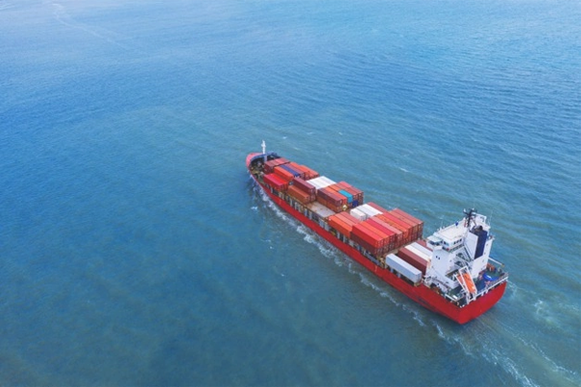
Sea freight, also known as ocean freight, is the process of transporting goods and cargo via ships. It is one of the oldest and most commonly used methods of transportation for international trade.
There are many benefits to using sea freight for the transportation of goods. One of the main advantages is cost-effectiveness. Shipping goods by sea is generally cheaper than other forms of transportation such as air freight or road freight. This is because ships can carry large quantities of goods at one time, which reduces the cost per unit.
Another advantage of sea freight is its reliability. Ships are able to operate in almost any weather conditions and can reach ports that are inaccessible by other modes of transportation. This makes it a dependable option for transporting goods to remote or hard-to-reach locations.
Sea freight also offers a wide range of services to meet the needs of different customers. For example, there are full container load (FCL) services, which allow customers to fill an entire container with their goods. There are also less than container load (LCL) services, which allow customers to share a container with other customers to reduce costs. Additionally, there are specialized services such as refrigerated cargo, oversized cargo, and project cargo.
In addition, sea freight has a low carbon footprint compared to other forms of transportation, making it an environmentally friendly option. This is because ships emit less carbon dioxide per ton of cargo than planes or trucks.
However, sea freight also has some drawbacks. One of the main disadvantages is the longer transit time. It typically takes several weeks for goods to be transported by sea, whereas air freight can take only a few days. This can be a problem for businesses that need to get their goods to market quickly.
Another disadvantage is the potential for damage to goods during transit. While ships are equipped with advanced technology to protect cargo, there is still a risk of damage due to rough seas or poor handling.
Despite these drawbacks, sea freight remains a popular and cost-effective option for international trade. It offers a wide range of services and can reach ports that are inaccessible by other modes of transportation. It also has a low carbon footprint, making it an environmentally friendly option. As a result, sea freight will continue to play an important role in the global economy for the foreseeable future.
There are several types of sea freight services available, including:
- Full Container Load (FCL): This service is for shipping cargo that fills an entire container. It is generally more cost-effective than Less than Container Load (LCL) options.
- Less than Container Load (LCL): This service is for shipping cargo that doesn’t fill an entire container. It is generally more expensive than FCL options but allows smaller shipments to be consolidated with other cargo in the same container.
- Roll-on/Roll-off (RoRo): This service is for shipping vehicles, such as cars and trucks, on specialized vessels.
- Breakbulk: This service is for shipping non-containerized cargo, such as heavy equipment or oversized items.
- Refrigerated Shipping: This service is for shipping perishable goods that require temperature-controlled transportation.
- Heavy Lift Shipping: This service is for shipping heavy and oversized cargo that requires specialized handling and equipment.
- Project Cargo Shipping: This service is for shipping large, complex and unique cargo, such as industrial equipment, oil rigs, and wind turbines.
- Bulk Shipping: This service is for shipping bulk commodities, such as coal, iron ore, and grain.
- LNG Shipping: This service is for shipping liquefied natural gas.
- Car Carrier: This service is for shipping new or used cars, trucks and other vehicles.
Please note that this list may not be exhaustive and there may be other types of sea freight services available depending on the company you are using.